Seed Technology Saves Sagebrush Sea

The article, “Battling Invasives: The Race to Restore the Sagebrush Sea” published in the Land and Water Stories section on the Nature Conservancy website discusses a collaborative conservation initiative between researchers and private companies to develop a carbon-coated seed technology that protects native plants from herbicides, aiming to restore sagebrush ecosystems threatened by invasive species while benefiting local economies.
The conservation efforts to restore the crucial sagebrush ecosystems, known as the Sagebrush Sea, which support species like the greater sage-grouse and pronghorn. These habitats are increasingly threatened by invasive species, particularly cheatgrass, which disrupts native plant communities and fuels wildfires.
Pictured:
Invaders Invasive cheatgrass grows amid native plants near the project site at Craters of the Moon National Monument and Preserve (Idaho). © TNC
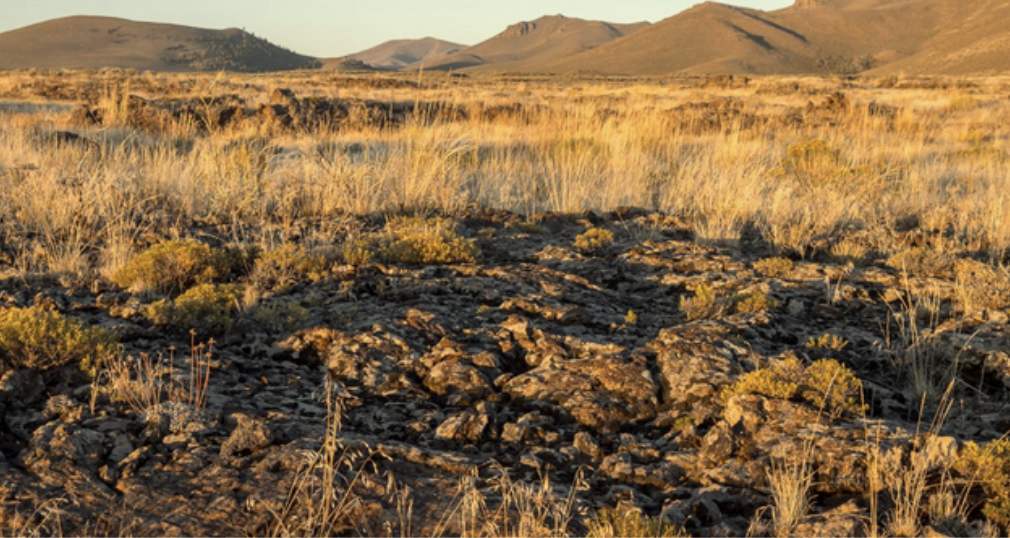

Pictured: Native Forbs and Sagebrush An abundance of grass, sagebrush and native wildflowers at the McCoy Ranch in Montana. © Thomas Lee
Researchers from the USDA Agricultural Research Service (ARS) and The Nature Conservancy (TNC) are testing a groundbreaking approach to combat invasives by developing a carbon coating for native plant seeds. This coating protects the seeds from herbicides, allowing land managers to plant them in the same year they apply herbicides, giving seedlings a vital head start against competition from invasives. Field tests are underway at four National Parks, including Craters of the Moon National Monument. The team aims to compare the emergence of uncoated seeds with those that have the protective coating. If successful, this technology could significantly enhance the recovery of native vegetation.
Private environmental companies play a critical role in this initiative. They provide essential materials and industry expertise, helping to turn this innovative research into a commercially viable solution. Their collaboration with ARS, TNC, and the National Park Service underscores the importance of partnerships in addressing complex ecological challenges.
Restoring sagebrush ecosystems is not only vital for wildlife but also for local economies reliant on healthy landscapes for recreation and livestock grazing. By scaling the seed coating technology, private companies can enhance the efficiency of restoration efforts, demonstrating that collaboration across sectors is essential for successful conservation. This collective approach aims to ensure the resilience of both ecosystems and the communities that depend on them.
Read the full article HERE.